
NATURAL PET CARE BLOG
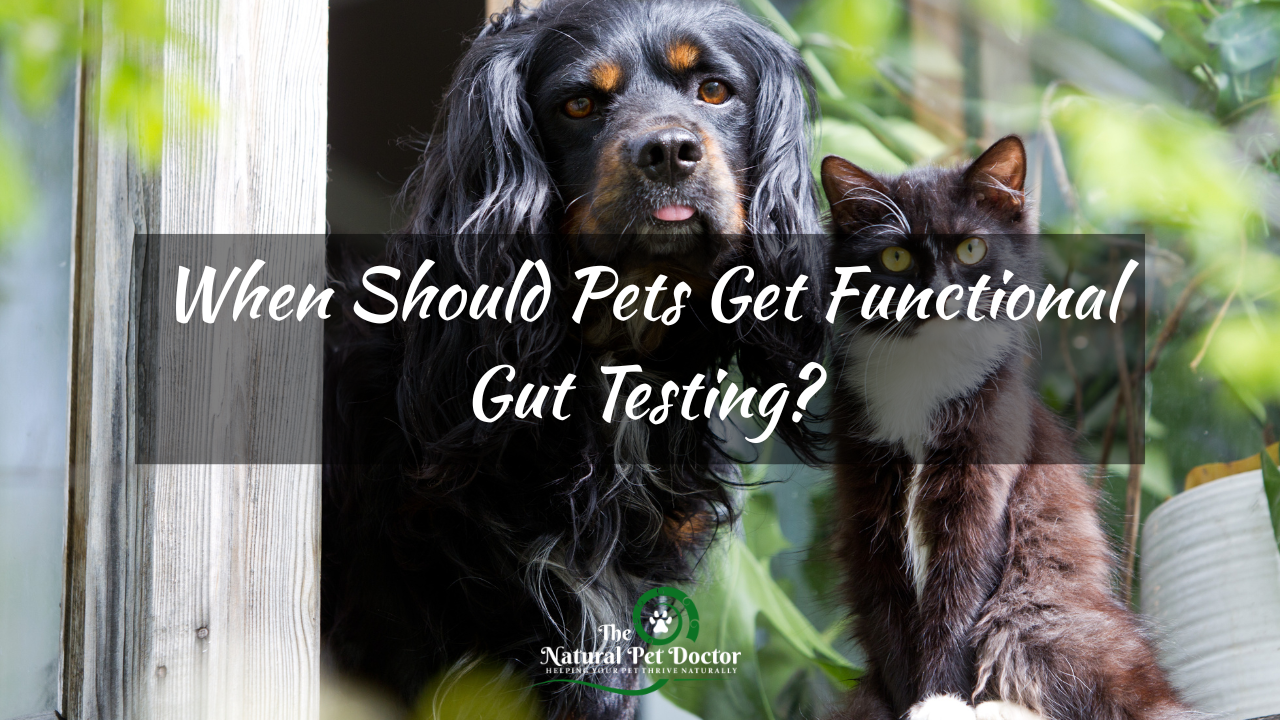
When Should You Run Functional Gut or Microbiome Testing for Your Pet?
Written by Dr. Katie Woodley, BVSc, cVMA, GDVCHM, CVNN
Last updated: August 6, 2026
The Quick Answer
Functional medicine testing for pets may be helpful when a dog or cat has recurring digestive or skin symptoms, improves only temporarily with supplements, has a history of repeated antibiotic use, or has completed an initial veterinary workup but important questions remain.
Functional gut tests and microbiome tests can provide information about intestinal inflammation, digestive function, immune activity, intestinal barrier markers, and bacterial imbalances. However, these tests do not diagnose every disease and should not replace veterinary examinations, bloodwork, urinalysis, parasite screening, imaging, or emergency care.
If you have a cabinet full of half-used probiotics, digestive enzymes, herbal formulas, powders, and supplements—but you still do not know what your pet actually needs—it may be time to stop guessing.
One of the questions I receive most often is:
“How...
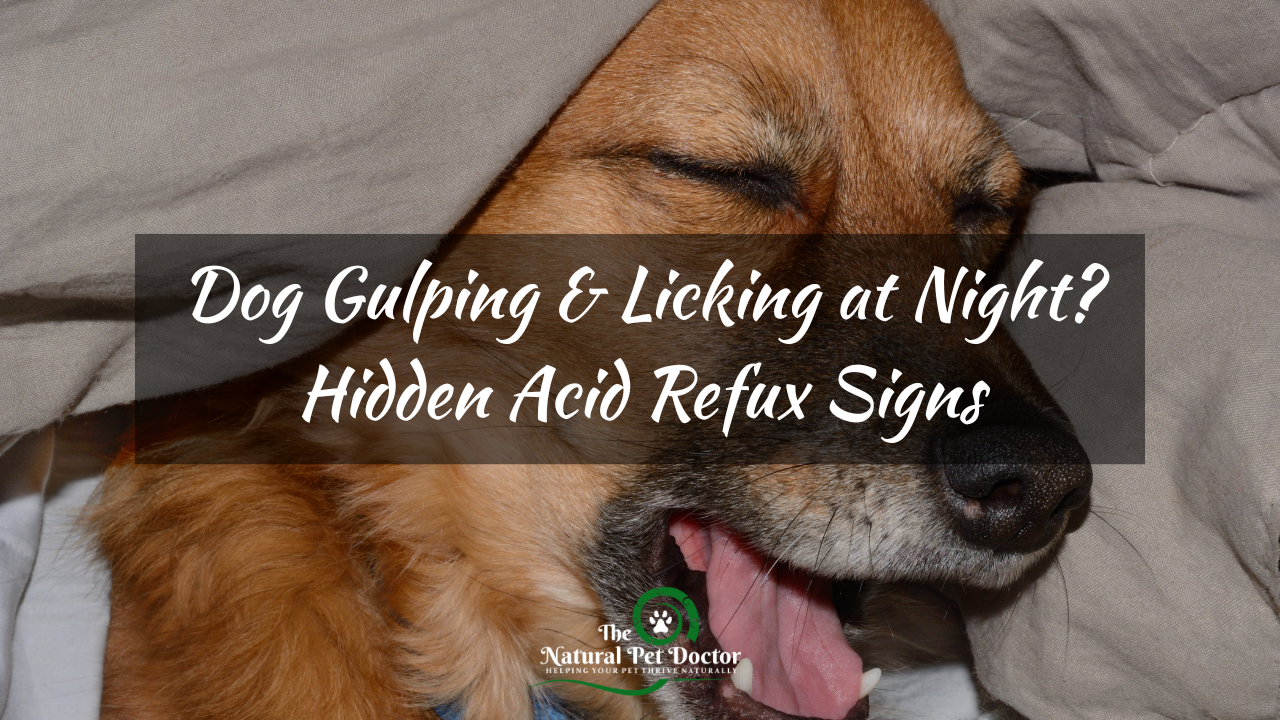
Dog Gulping & Licking at Night? Hidden Acid Reflux Signs | The Natural Pet Doctor
The Natural Pet Doctor | Written by Dr. Katie Woodley, DVM (holistic veterinarian)
Quick answer
If your dog keeps gulping, swallowing repeatedly, or licking their lips at night, it can be a quiet sign of acid reflux — even if your dog never actually vomits. Reflux happens when stomach contents move backward into the esophagus, and routine bloodwork usually looks completely normal because it isn’t designed to detect it. The key is to look for a pattern (hard swallowing, lip licking, floor or grass eating, nighttime pacing, gagging, or bringing up small amounts of fluid), track the timing around meals, and start with gentle foundations like smaller meals, a small bedtime snack, and soothing herbs such as slippery elm — while ruling out the red flags that need a vet right away.
Key takeaways
- Reflux can be "silent." A dog may swallow, gulp, or lick instead of vomiting.
- Normal bloodwork doesn’t rule it out. Routine panels don’t test for acid in the esophagus or gut motilit ...
Why Your Dog’s Allergies Keep Coming Back (+ Natural Remedies That Actually Help)
This is not bad luck. And it is not because you are doing it wrong.
It is because chronic allergic disease in dogs is not a skin condition. It is a systems breakdown — driven by gut dysfunction, immune dysregulation, and barrier failure — and treating the skin without addressing these underlying drivers will always yield only temporary results.
In this post, I am going to walk you through the science behind why dog allergies keep coming back, the clinical framework I use to identify the root drivers in every chronic case, and the natural supplement protocol that addresses those drivers rather than just suppressing t...
Cruciate Ligament Injury in Dogs: Natural Treatments Without Surgery

By Dr. Katie Woodley, BVSc, GDVCHM, cVMA, CVNN · Integrative Veterinarian & founder of The Natural Pet Doctor· Last updated: 10/22/26
The short answer is yes. You do. But understanding those options requires understanding what cruciate ligament disease actually is, why it happens, and what the body needs to heal.
In this post (and in the video above), I'll walk you through what cruciate ligament disease really is, why the rupture is never the beginning of the problem, the nutritional deficiency most vets never test for, the exact natural protocol I used with my own dog Finn, and what I would add to that protocol today.
I'm Dr. Katie Woodley, holistic veterinarian and founder of The Natural Pet Doctor. I help pet parents stop chasing symptoms and start working on root causes — especially with...
Dog Dementia Symptoms: The Real Cause of Cognitive Decline (and What Actually Helps)
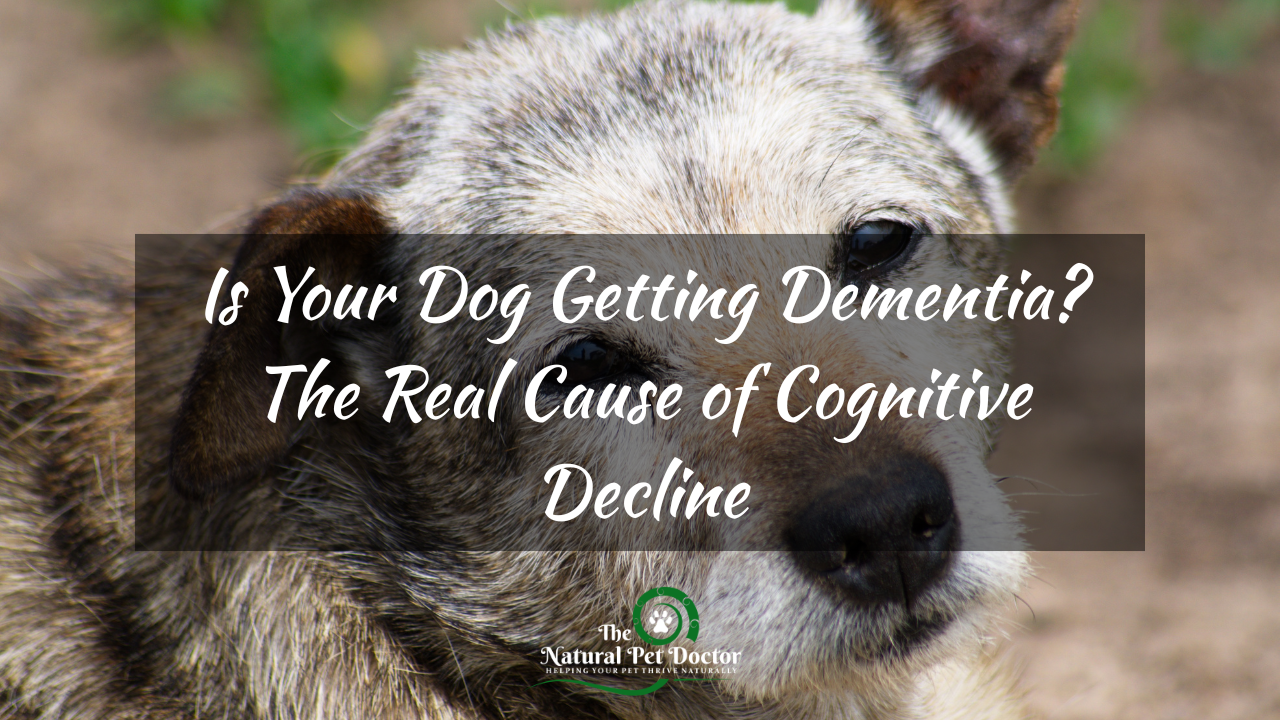
In this post (and in the video above), I'm going to walk you through the 4 hidden root drivers inside the body that quietly change the brain over time — and then share the specific foods, supplements, and testing that can help your dog feel more present and settled again.
I'm Dr. Katie Woodley, holistic veterinarian and founder of The Natural Pet Doctor. I help pet parents stop chasing symptoms and start working on root causes — especially with gut health, skin issues, and chronic conditions that just aren't improving. Cognitive decline is on...
IBD and Bile Vomiting in Dogs and Cats: Root Causes, Testing & Natural Treatment Plan
When Nothing Is Working for Your Dog or Cat’s Gut
A holistic roadmap for IBD in dogs, chronic vomiting, bile vomiting, reflux, gallbladder sludge, and mystery gut issues — with testing + supplement dosing by weight.
If you’re here because your pet’s symptoms keep cycling and you feel exhausted, worried, and stuck — you are not alone. This guide is designed to give you a clear starting place without overwhelming you.
Quick symptom checklist: this guide is especially helpful if your pet has…
- Bile vomiting (yellow foam), especially mornings/empty stomach
- Acid reflux, lip-licking, gulping, regurgitation, eating grass
- Chronic diarrhea, soft stool, mucus, or recurring IBD flares (dogs)
- Greasy stool, gas, bloating, “food just isn’t digesting well”
- Gallbladder sludge or suspected bile flow issues
- Itching + GI symptoms together (often linked through inflammation + microbiome imbalance)
- Your pet flares when you try probiotics or new supplements
🎥 Watch the
...Stop Guessing: The Gut Health Testing Roadmap for Dogs & Cats - Holistic Vet Guide
Stop Guessing: The Gut Health Testing Roadmap for Dogs & Cats
Which tests are worth doing, what common results mean, and gentle next steps so you can stop wasting money and start getting real answers.
📋 Quick Summary (click to expand)
If you’ve been up late researching diarrhea, reflux, itching, or chronic “mystery” symptoms—testing is the fastest way to stop guessing.
In this guide, you’ll learn:
- Which gut health tests are actually worth doing
- What the results mean in simple terms
- Gentle supports I often use when markers are high or low
- Where to find trusted labs and vetted products
You don’t need every test at once. Start with the next right step for your pet’s symptoms.
Download the Free Gut Health Starter Guide
Why Gut Health Testing Matters
Two pets can have the same symptoms—diarrhea, itching, reflux, anxiety—but completely different root causes. Testing doesn’t replace food, herbs, or lifestyle changes. Testing turns the lights on so you know wh
...HTMA Testing for Pets: The Root-Cause Test That Reveals Hidden Mineral Imbalances

Understanding HTMA Testing and Why It’s a Game Changer for Your Pet’s Health
📋 Quick Summary (click to expand)
If your pet struggles with chronic itching, digestive issues, anxiety, or fatigue and nothing seems to help, HTMA (Hair Tissue Mineral Analysis) testing may hold the answers. This simple, non-invasive hair test uncovers hidden mineral imbalances, heavy metal toxicity, and stress patterns that standard bloodwork can miss.
In this article, you’ll learn:
- What HTMA testing is and how it works
- Why minerals are vital for gut, skin, and immune health
- What the test reveals about adrenal stress, detox pathways, and thyroid function
- How HTMA fits into each phase of a holistic healing plan
- Why it’s one of the most important starting points in your pet’s recovery
Get your pet's HTMA test and plan here!
What Is HTMA Testing?
HTMA (Hair Tissue Mineral Analysis) measures the levels of key minerals and heavy metals stored in your pet’s hair over the past 2–3 months
...Can Peptide Therapy Help Heal Your Pet Naturally?
Can Peptide Therapy Help Heal Your Pet Naturally?
A New Frontier in Holistic Veterinary Care
When your dog or cat is suffering, gut issues that won’t resolve, skin flares that keep coming back, joint pain, or mysterious symptoms with no clear answers, it’s overwhelming. You’ve likely tried everything: medications, supplements, diet changes, even energy healing.
But what if your pet’s body is simply missing the right signals to heal?
That’s where peptide therapy comes in - a science-backed, body-friendly approach to helping pets recover at the cellular level.
🧬 What Are Peptides And Why Do They Matter for Your Pet?
Peptides are short chains of amino acids; tiny messengers that communicate with your pet’s body on a deep, molecular level. They tell the body to:
- Repair damaged tissue
- Balance inflammation
- Regenerate the gut lining
- Support immune function
- Stimulate collagen and wound healing
- Improve brain and nerve function
They’re natural, bioavailable, and body-identical...
How To Support Your Pet During a Flare - Vomiting in Dogs & Cats

Flare Tactics: Vomiting in Dogs and Cats
Vomiting is one of the most stressful flare-ups for pet parents to witness, and it’s common to feel overwhelmed or uncertain about what to do next. Here’s a holistic, step-by-step guide to help you confidently support your pet through these moments and advocate for their best care.
1. Pause & Assess
Before jumping in with food, supplements, or medications, the very first thing is to pause. Vomiting is your pet’s body signaling that something is out of balance—this could be a reaction to food, supplements, medications, or even stress. The gut is incredibly sensitive when it’s healing.
- Is this an isolated incident, or has vomiting occurred multiple times in a short period?
- Is your pet still bright, alert, and responsive, or do they seem lethargic and unwell?
- Any other symptoms like diarrhea, blood, or abdominal pain?
- Is there any chance they ate something and have an obstruction?
Red Flag: If your pet is vomiting repeatedly (more tha...

Welcome To Our Natural Pet Care Blog!
Stay connected with weekly holistic pet care tips and updates!

Get your Standard Process Supplements Here!

